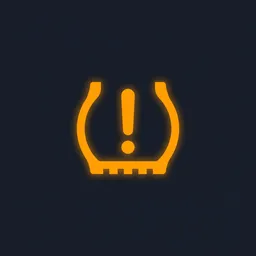
Can I keep driving?
Slowly, to the nearest place where you can check the tires. A rapidly deflating tire can blow out.
What to do now
- Slow down and avoid hard cornering.
- Visually check all four tires at the first safe stop.
- Inflate to the pressures listed in your door jamb (note them in your phone).
- Reset the TPMS system after inflating if your car requires it.
Possible causes
- Natural pressure loss (cold weather drops pressure)
- Puncture
- Faulty pressure sensor
- Recent tire change without reset
Call for help when
A tire is visibly flat or losing air fast: treat it as a flat tire scenario.
Questions
What does the tire pressure (tpms) light mean?
One or more tires are significantly under-inflated, or the monitoring system has a fault.
Can I drive with the tire pressure (tpms) light on?
Slowly, to the nearest place where you can check the tires. A rapidly deflating tire can blow out.
What causes the tire pressure (tpms) light to come on?
Common causes: Natural pressure loss (cold weather drops pressure); Puncture; Faulty pressure sensor; Recent tire change without reset.
When should I call for help?
A tire is visibly flat or losing air fast: treat it as a flat tire scenario.
Other lights: check soon
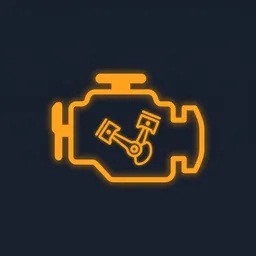 Check EngineThe engine computer has detected a fault in the engine or emissions system.
 ABSThe anti-lock braking system is disabled. Normal brakes still work.
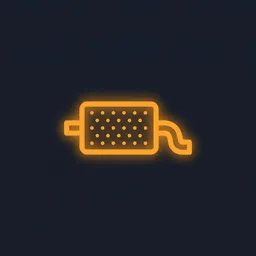 Diesel Particulate FilterThe DPF is getting clogged with soot and needs to regenerate (burn clean).
 AdBlueThe AdBlue (diesel exhaust fluid) tank is running low.
 Traction Control (flashing)Flashing while driving: the system is actively working, the road is slippery. Steady: the system is switched off or faulty.
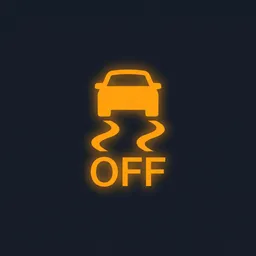 ESP / Stability OffElectronic stability control is switched off.
Symbols and colors differ slightly between car makes. Your owner manual has the exact meaning for your car. In danger, call your local emergency number first.